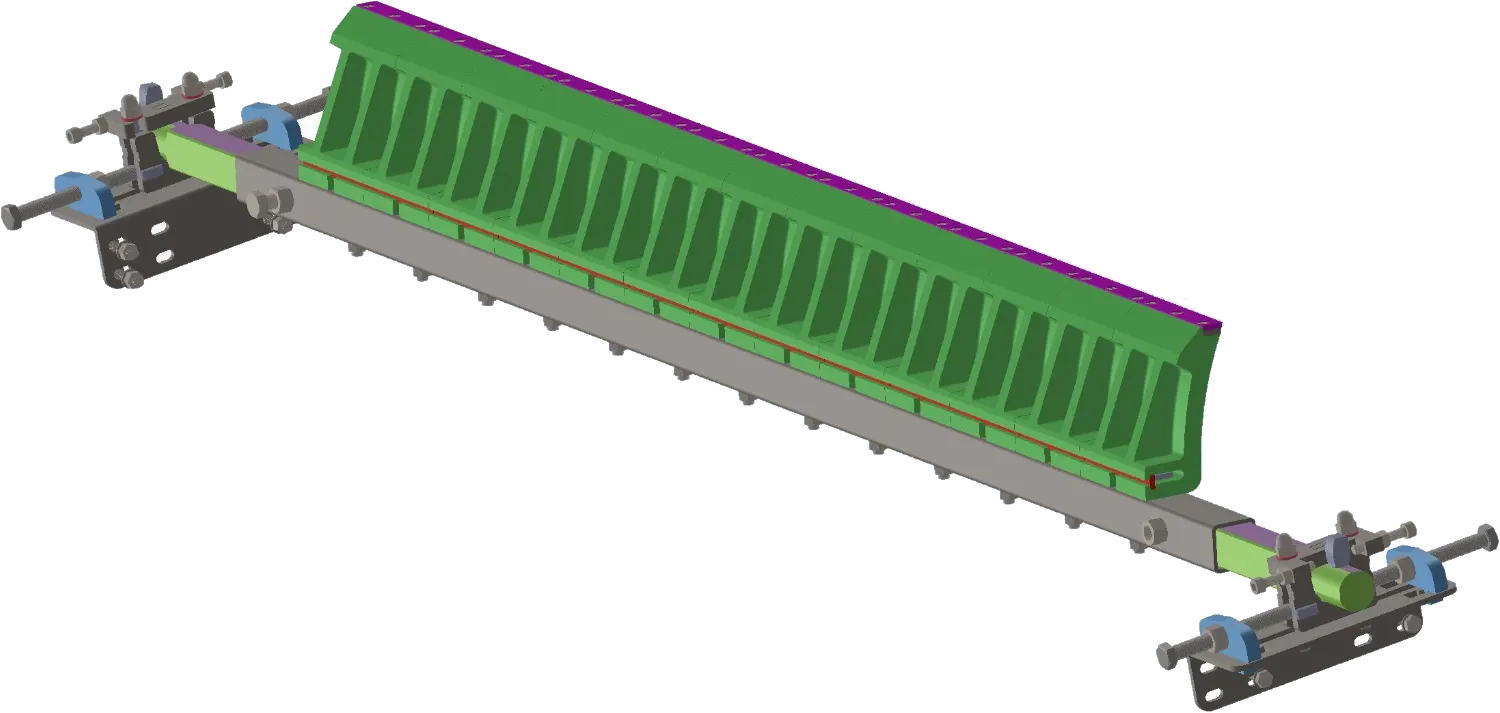
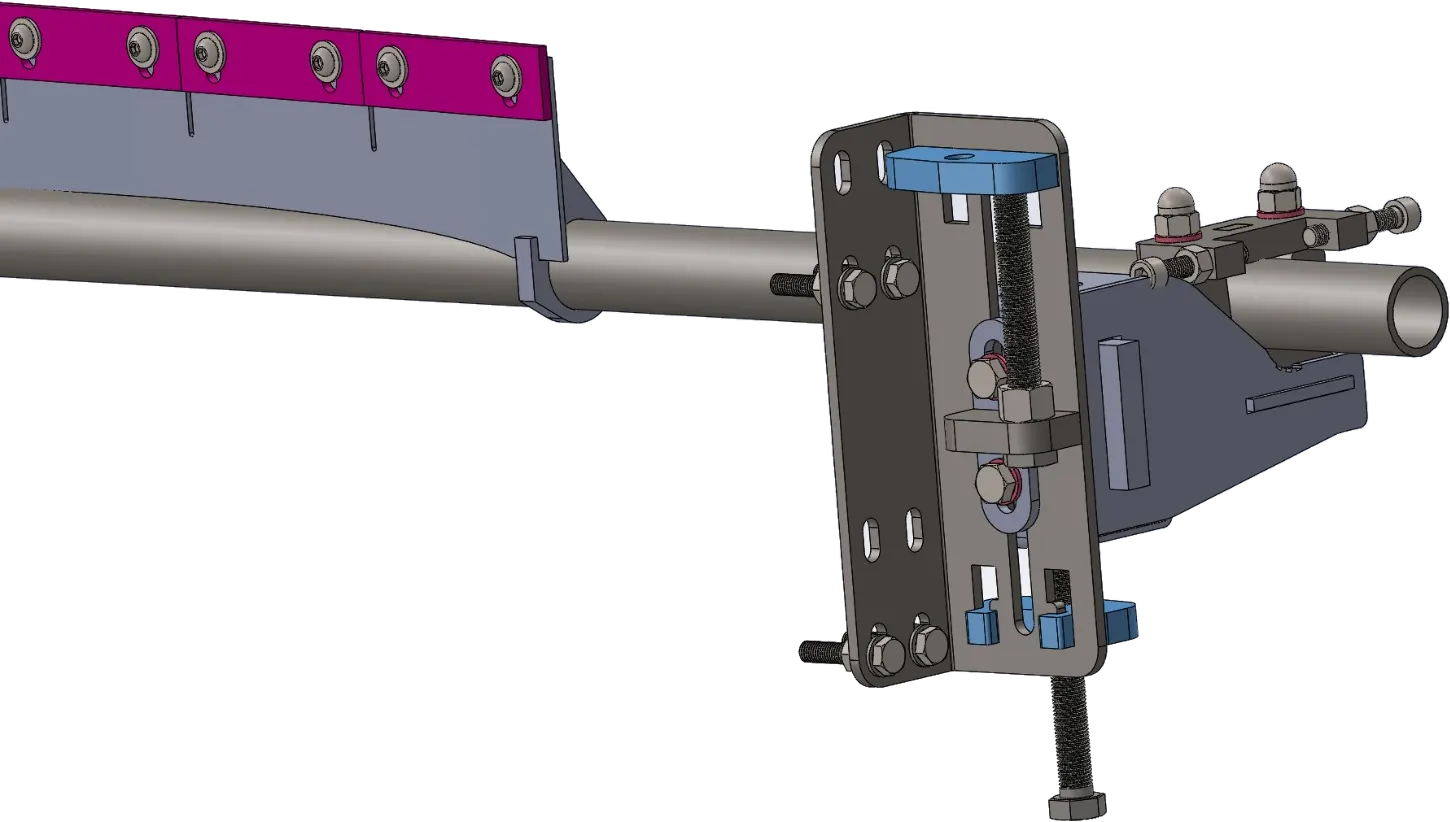
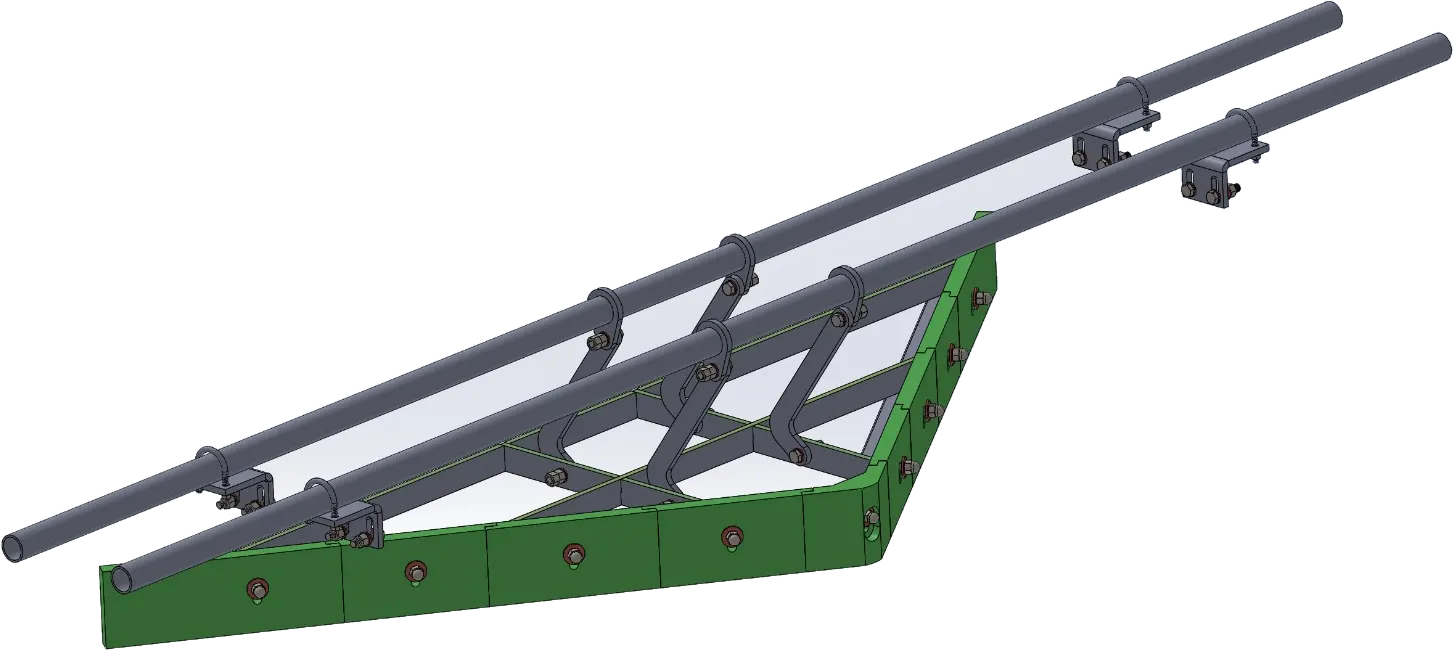
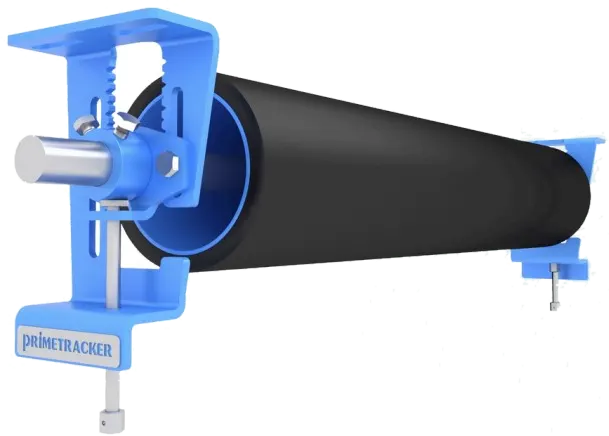
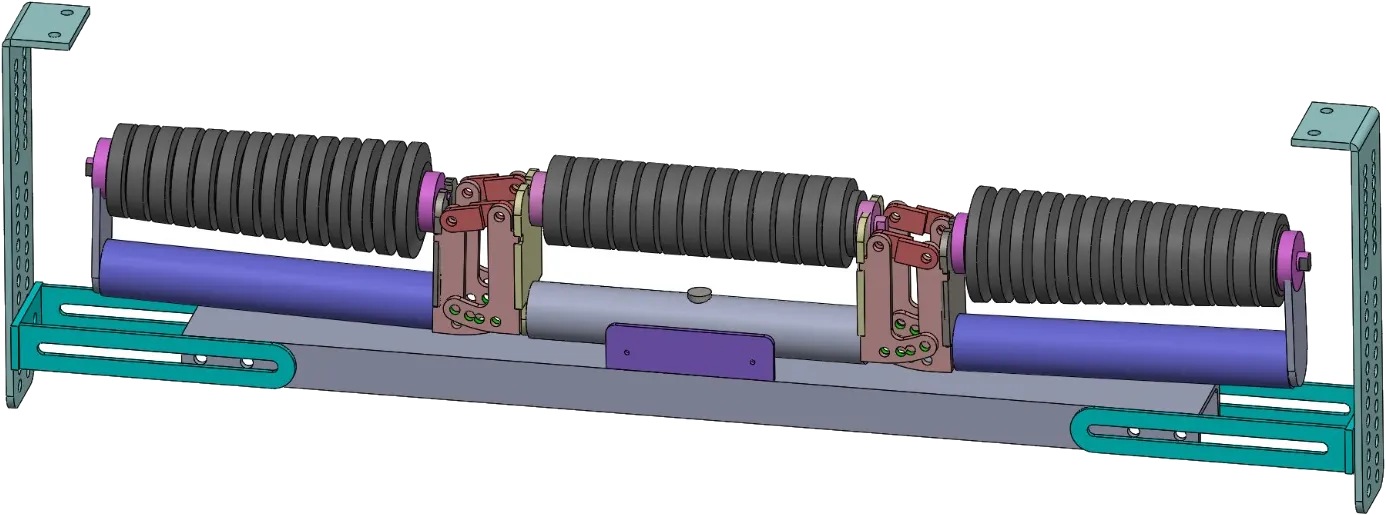
Schematic 3D view; not to scale.
Permaflex repair compound
Flexible, permanent belt repair material
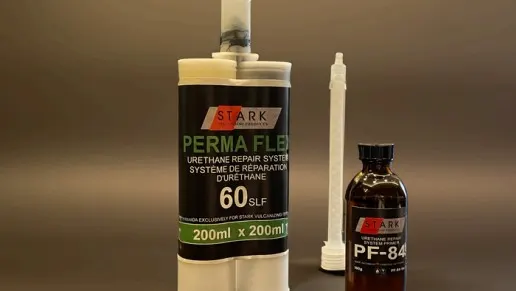
Permaflex is a flexible repair compound with 100% solids content for belt repair. It contains no VOC and is touch dry in about two minutes.
- Flexible: the repaired area flexes with the belt
- Short waiting time: touch dry in about two minutes
- VOC-free, 100% solids
- Place on the line
- Carrying strand and belt
- Recommended for
- 14 industries (of 14)
- Datasheet
- Request with the short form
Overview
What is Permaflex repair compound?
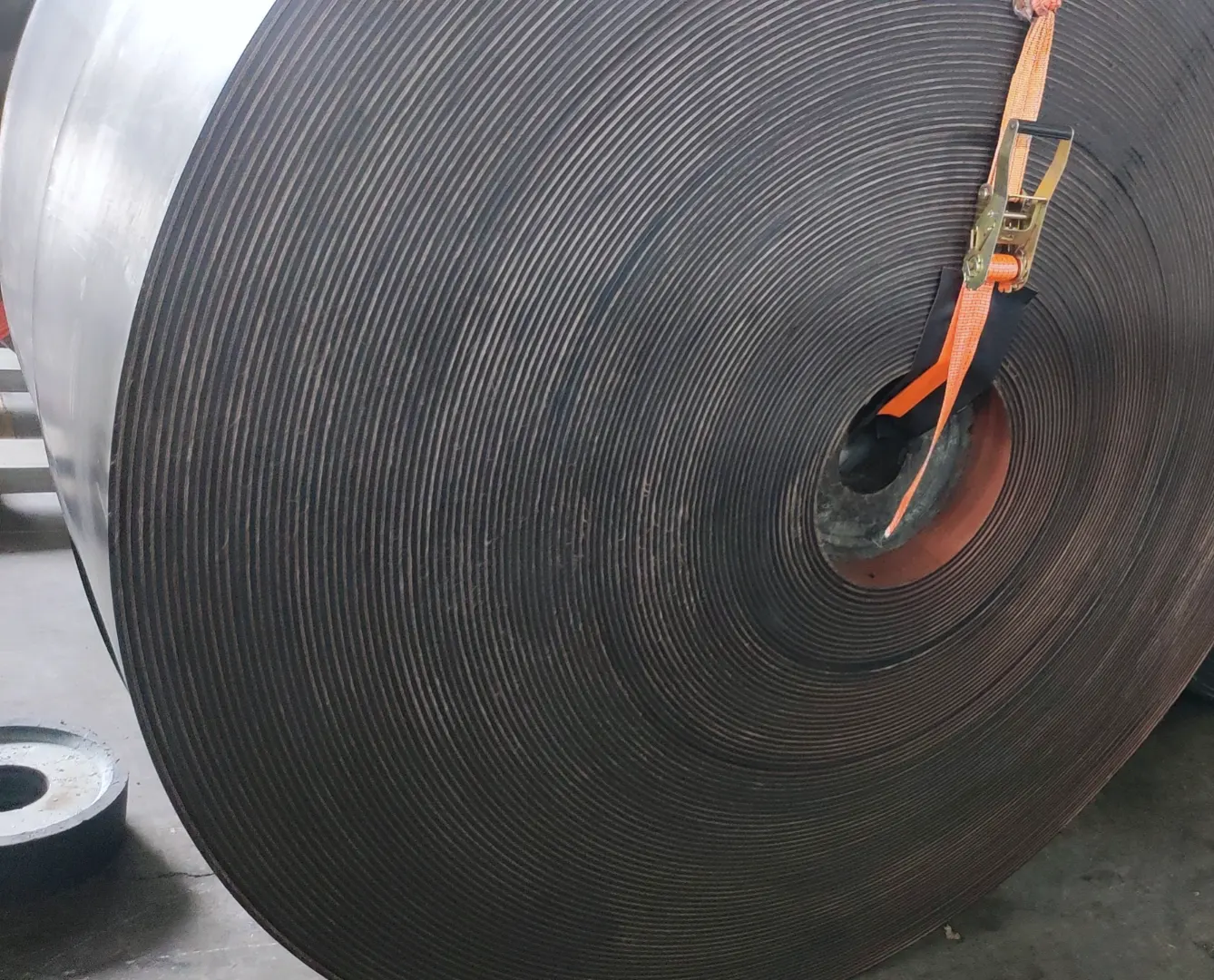
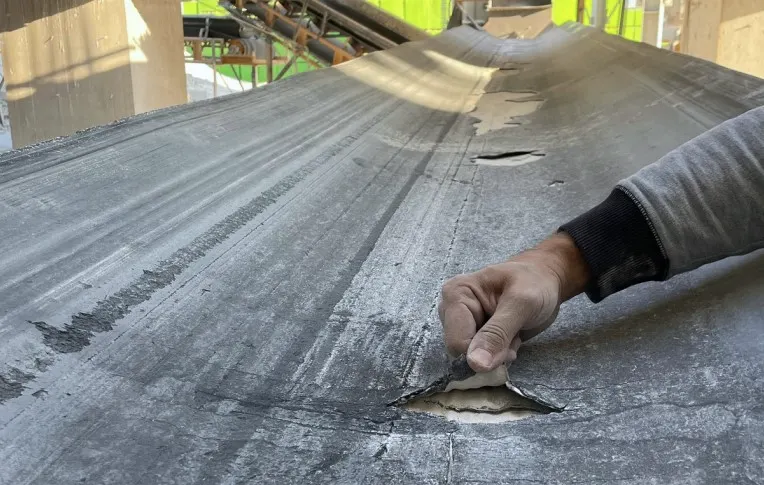
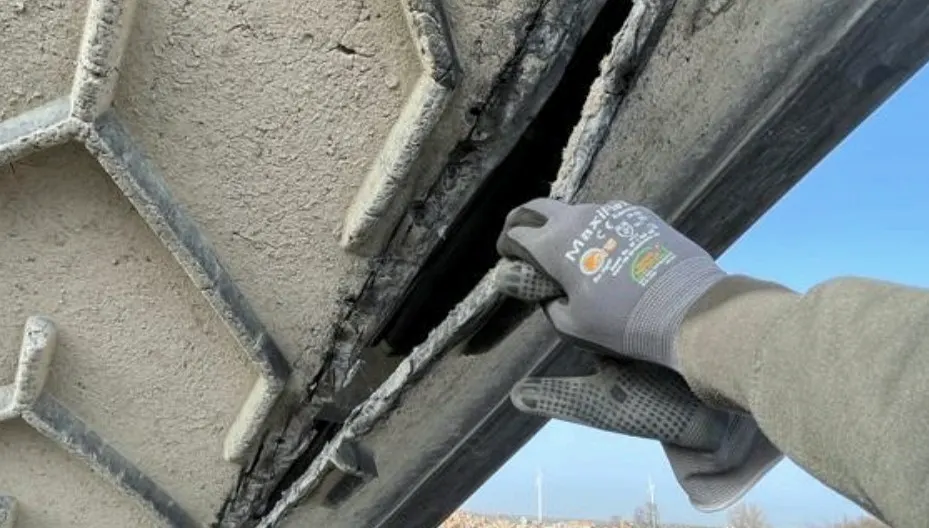
Permaflex is a flexible repair compound developed for conveyor belt repairs and is used for fast, permanent repair of damage on the belt. It contains no volatile organic compounds (VOC) and has a hardness of up to 60 Shore A. Belts that wear, tear or are punctured on the carrying strand over time are repaired with Permaflex.
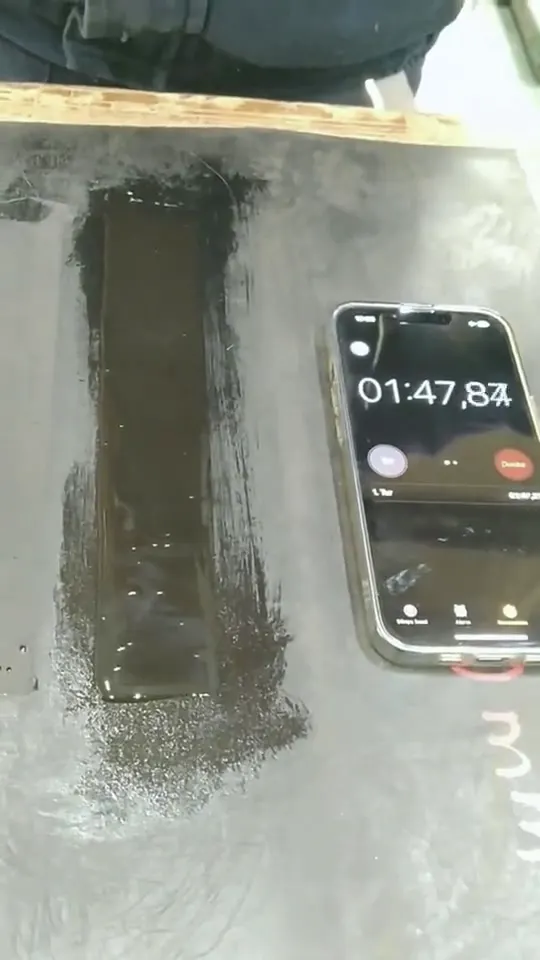
Permaflex becomes touch dry about two minutes after application and can be sanded after about 30 minutes. These short waiting times shorten repair downtime: the application time of a repair product is directly linked to production downtime.
Its flexible, durable structure allows repairs without damaging the structure of the belt. The product is designed to withstand high temperatures and harsh chemical environments, and it simplifies belt repair and maintenance work in cement plants.
Features
Key features
Flexible, up to 60 Shore A
Permaflex is a flexible filler with a hardness of up to 60 Shore A; the repaired area flexes with the belt and the belt structure is not damaged.
Short waiting time
Permaflex is touch dry in about two minutes and can be sanded in about 30 minutes, which keeps repair downtime short.
VOC-free, 100% solids
The product contains no volatile organic compounds (VOC) and has 100% solids content, so there is no solvent to evaporate during application.
Heat and chemical resistance
Permaflex is designed to withstand high temperatures and harsh chemical environments, so it is also used on lines in demanding conditions.
Benefits
- Fast and permanent belt repair
- Repairs without damaging the structure of the belt
- VOC-free, 100% solids
- Touch dry in about two minutes
- Can be sanded in about 30 minutes
- Short waiting times shorten repair downtime
- Withstands high temperatures and harsh chemical environments
- Simpler belt repair and maintenance
Applications
Emergency belt repair
Permaflex is used when a quick repair is needed to keep production running after belt damage.
Repairing impact damage
Damage caused on the belt by falling material at the loading point is repaired with Permaflex.
Cement plants
Permaflex simplifies belt repair and maintenance work in cement plants.
Harsh operating environments
The product is designed for environments with high temperatures and harsh chemical conditions.
Recommended for
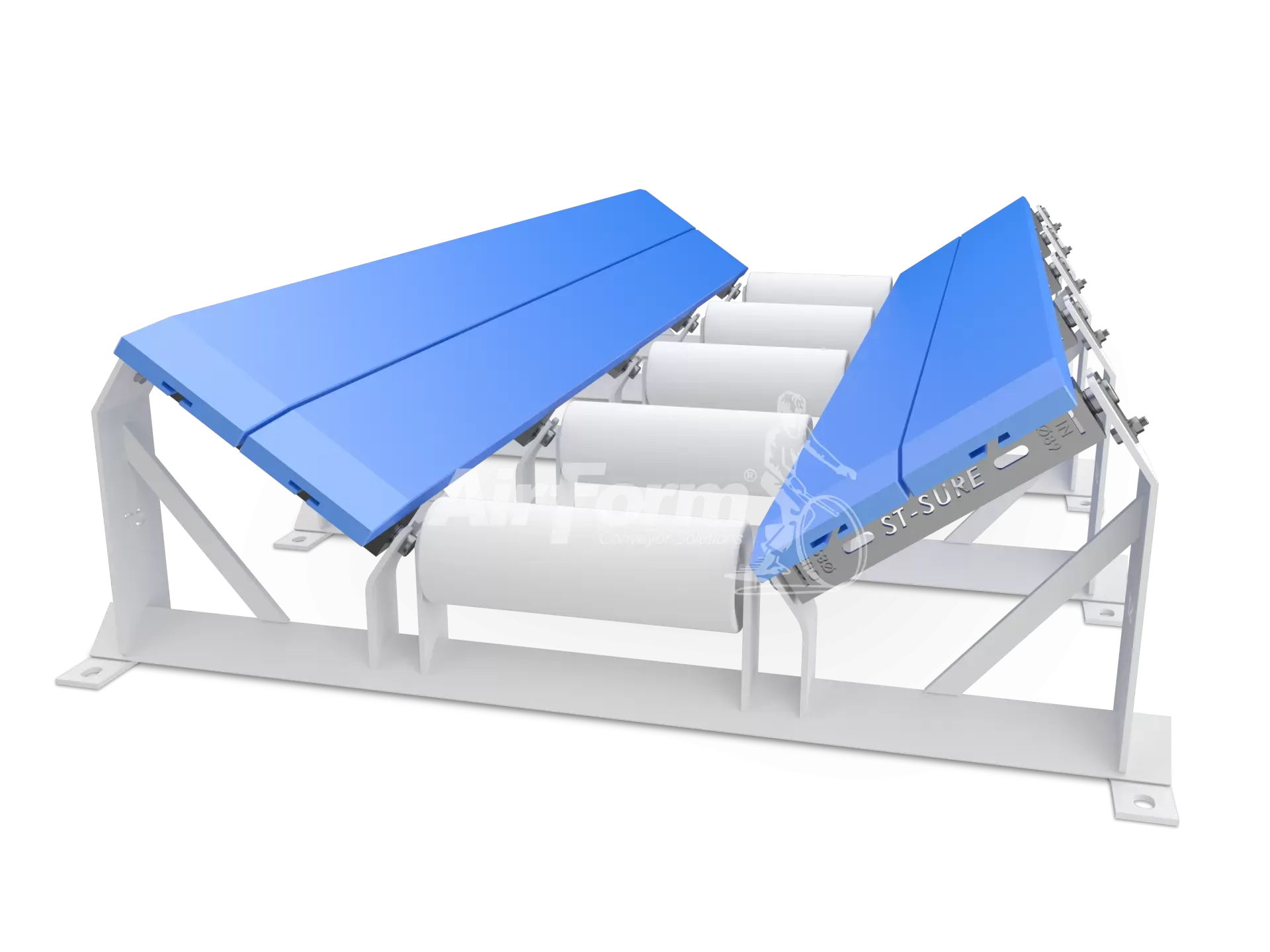
Used together with
Technical information
- Touch-dry time
- About 2 minutes
- Sanding time
- About 30 minutes
- Hardness
- Up to 60 Shore A
- Solids content
- 100%
- VOC
- None
- Structure
- Flexible
Place on the line
Carrying strand and belt
The belt wears, tears or gets punctured over time; choosing the right belt and repairing it in time shortens downtime.
Related problems
Application video
Supporting services
Frequently asked questions
For questions specific to your line, you can contact our technical team.
What is Permaflex repair compound?
How quickly is Permaflex touch dry?
In what conditions can Permaflex be used?
Does Permaflex contain VOC?
Does a Permaflex repair damage the belt structure?
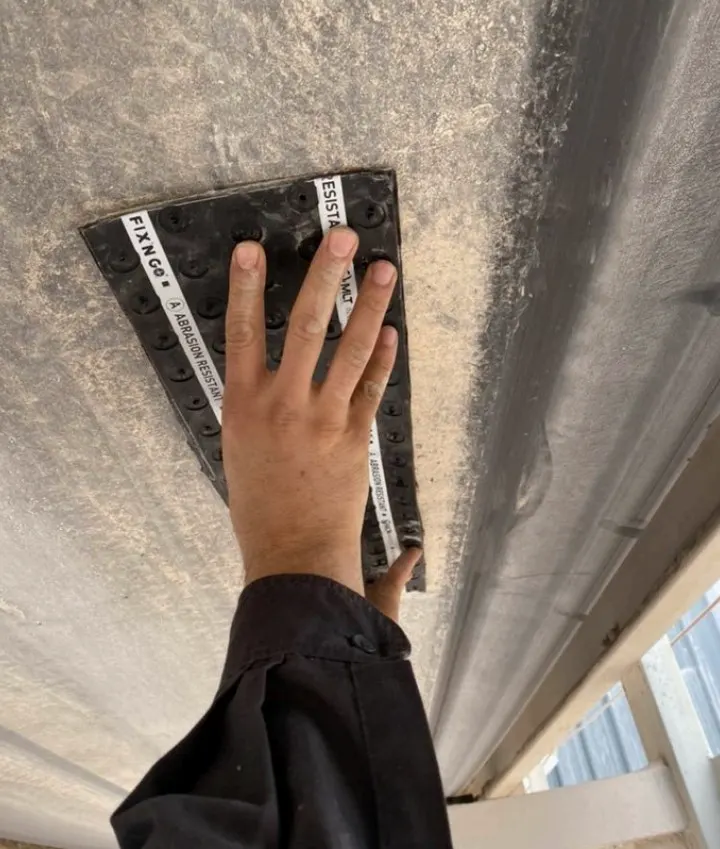
What is the difference between Permaflex and Fix'n Go®?
Where on a conveyor line is Permaflex repair compound used?
Which problems does Permaflex repair compound address?
Permaflex repair compound is recommended for these problems:
- Impact damage: Impact of falling material at the loading point
- Splicing and repair: Tears and splice problems that stop the line
Related articles
-
-
Related products
-
-
-