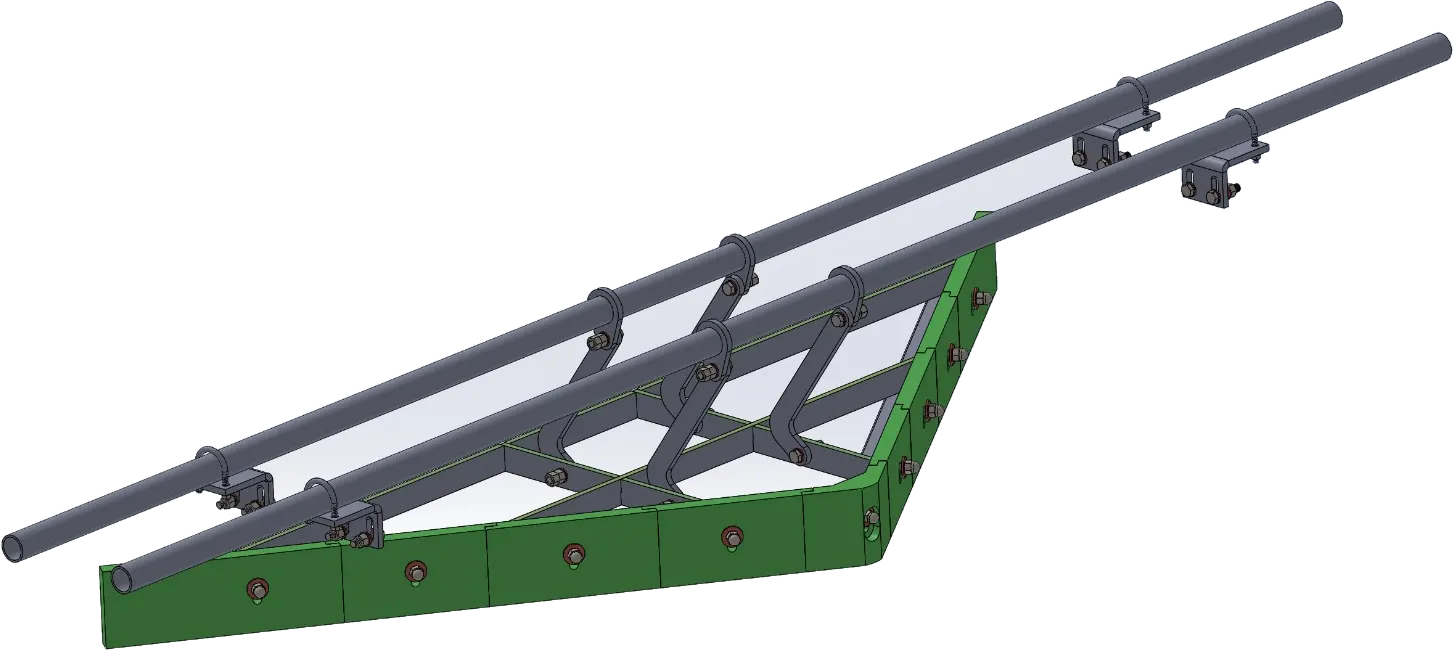
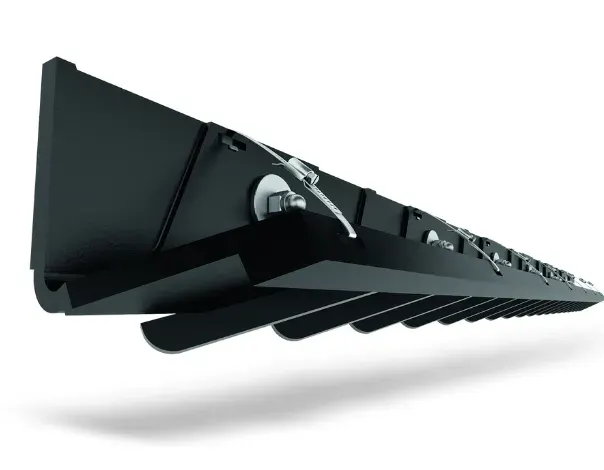

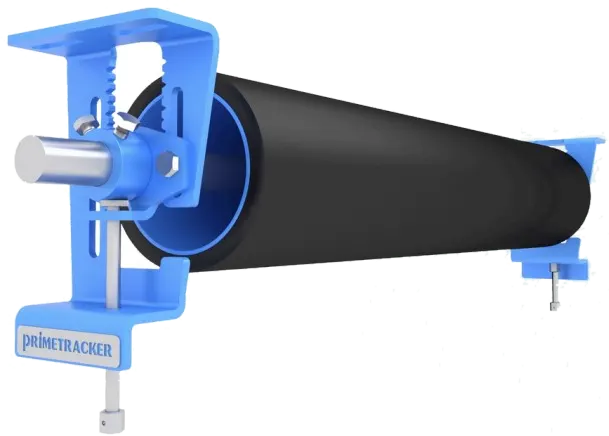
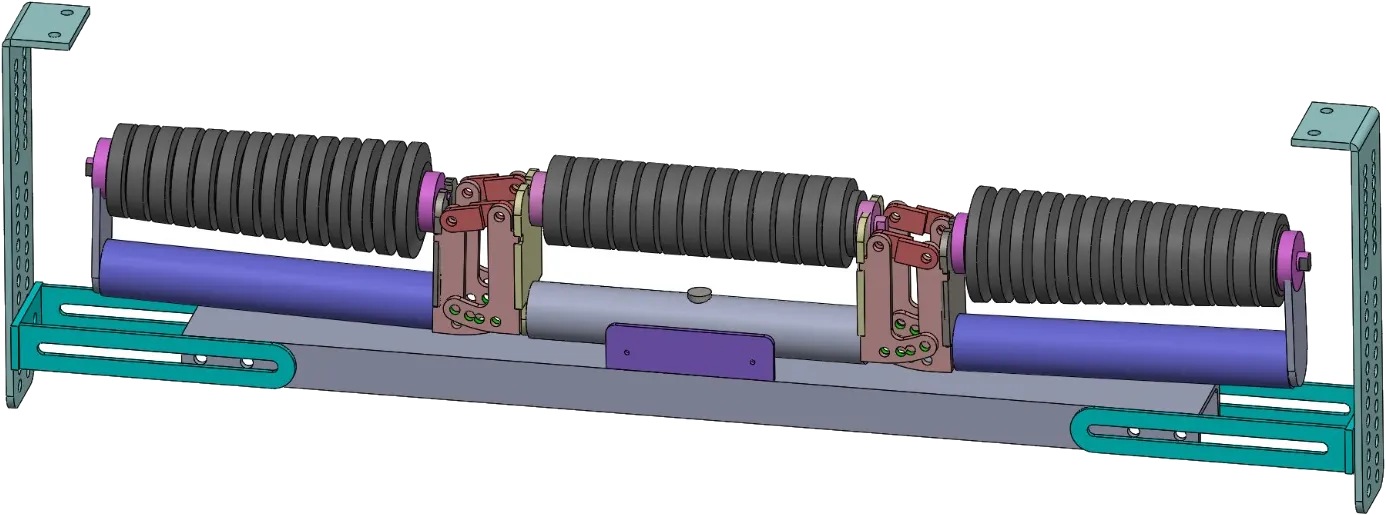
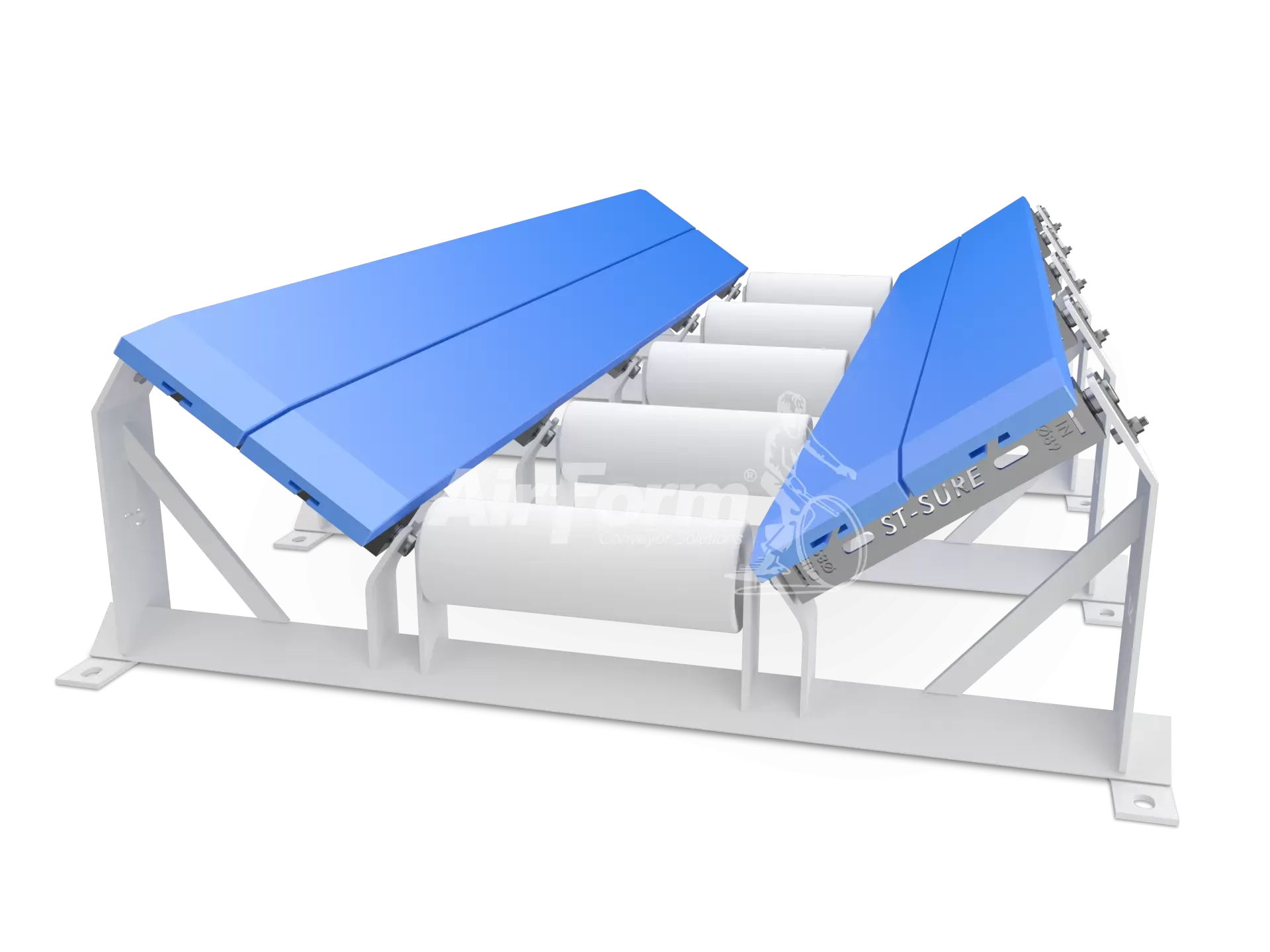


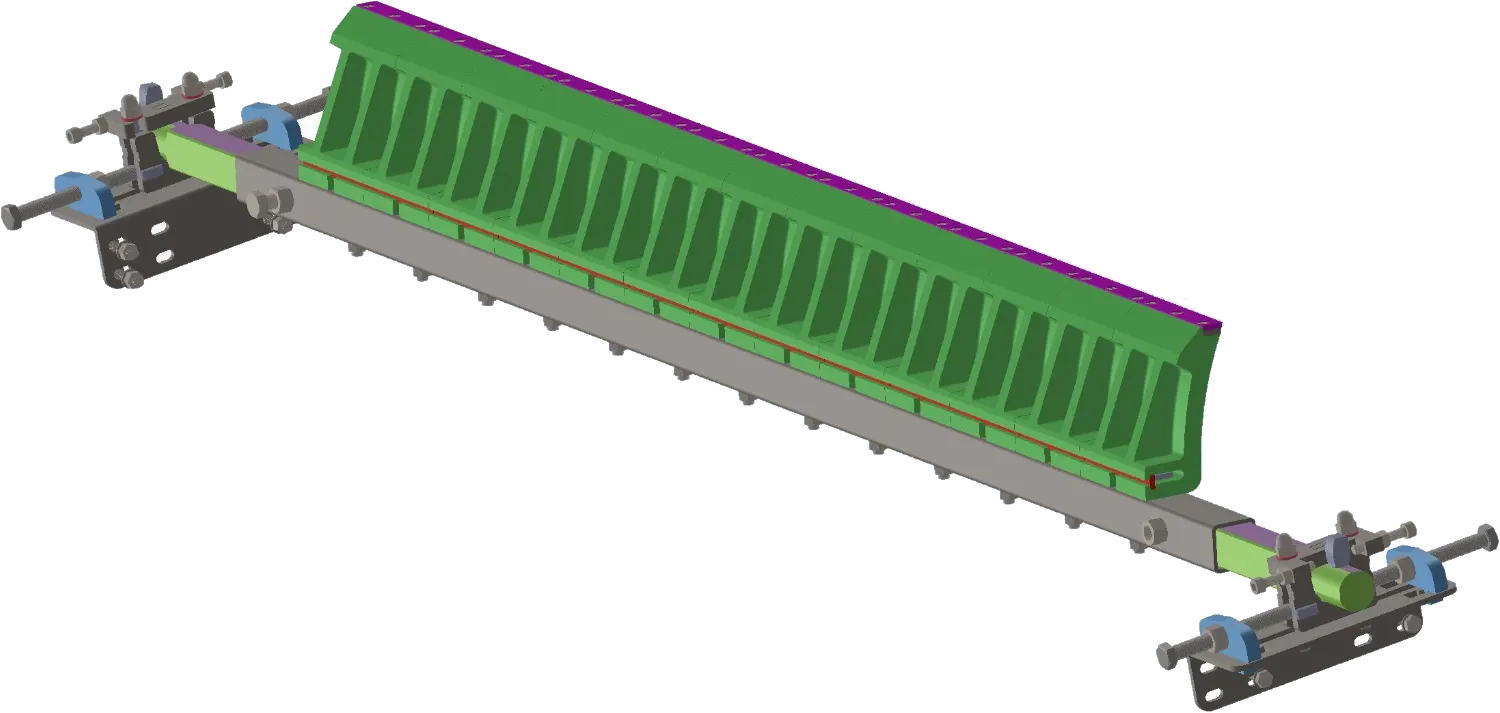
Schematic 3D view; not to scale.
Secondary belt scraper
Second cleaning for fine particles
The secondary scraper carries out the second cleaning after the primary scraper and removes the fine particles the primary leaves on the belt surface.
- Second cleaning: the fine particles the primary leaves are removed
- Less wear caused by fine material
- Keeps the belt surface clean for longer
- Place on the line
- Head pulley
- Recommended for
- 10 industries (of 14)
- Datasheet
- Request with the short form
Overview
What is Secondary belt scraper?
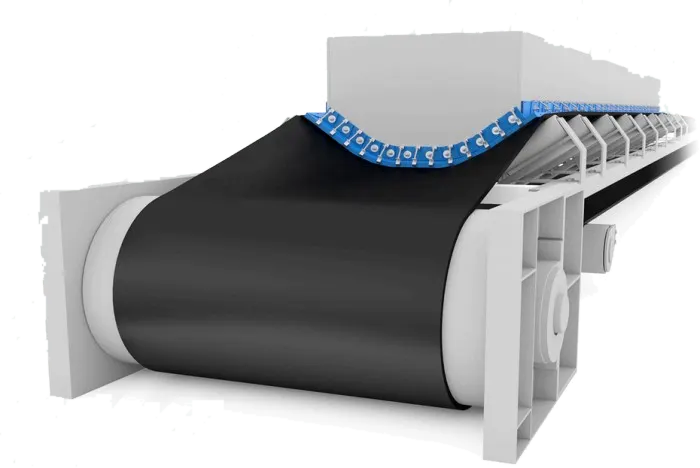
The secondary scraper works after the primary scraper and forms the second stage of belt cleaning. It sits under the belt as the belt leaves the head pulley and runs onto the return strand, and it removes from the belt surface the fine particles the primary leaves behind. The scraped material falls into the chute.
Fine material left on the belt surface is carried onto the return strand and causes wear. Because the secondary scraper removes these particles, the wear caused by fine material is reduced and the belt surface stays clean for longer.
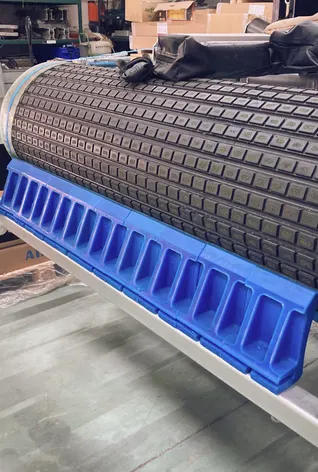
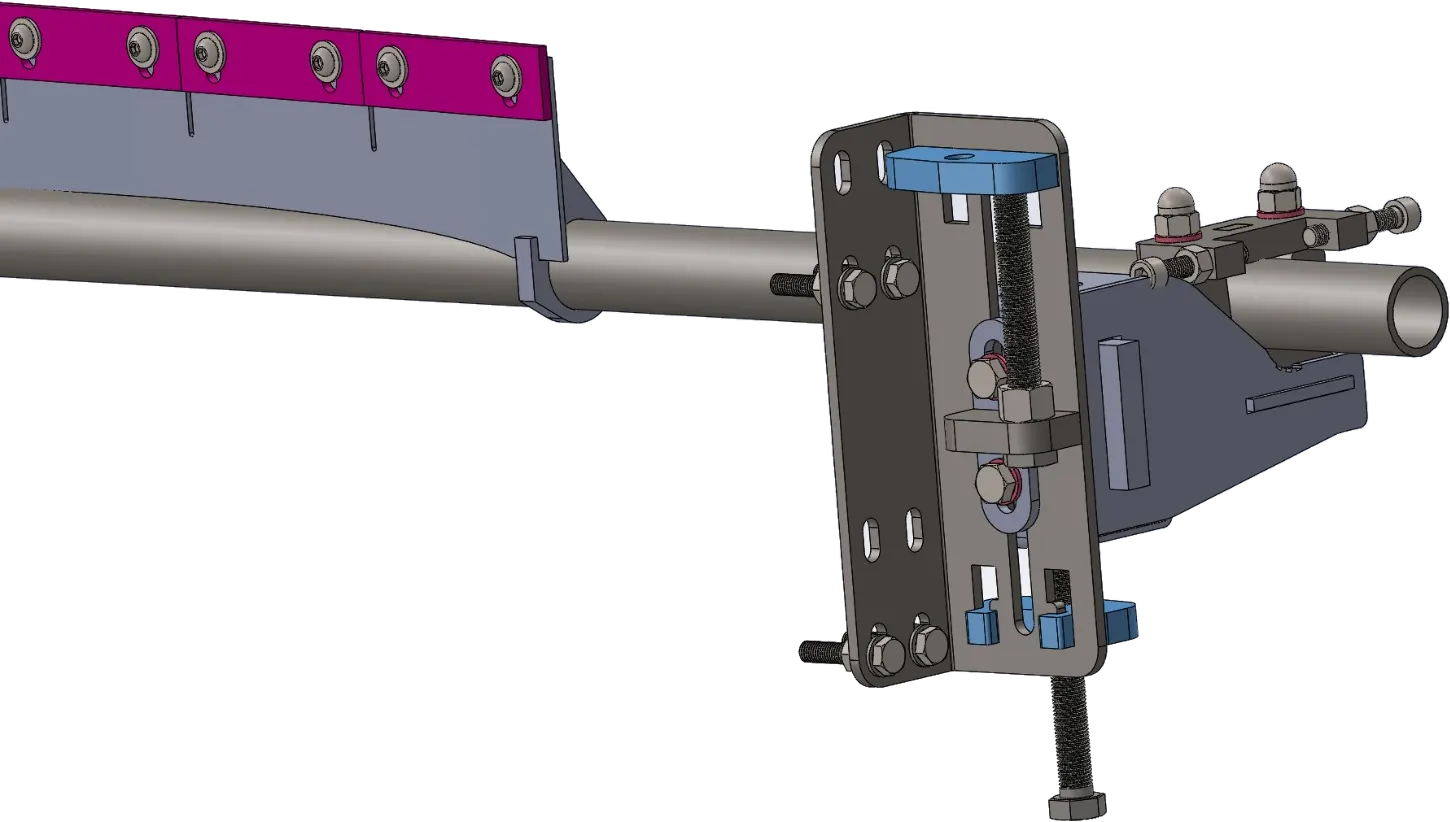
The product consists of a row of lamellas fixed to a pipe carrier and an adjustable mounting plate on each side. Matching the secondary scraper to the belt speed and width directly affects cleaning performance; a scraper of the wrong size can reduce cleaning performance and cause belt wear.
Features
Key features
Second cleaning stage
The secondary scraper works after the primary scraper and removes the fine particles the primary leaves.
Lamellas on a pipe carrier
The lamellas are fixed in a row to a pipe carrier, so cleaning covers the belt width.
Adjustable mounting plates
The adjustable mounting plates on each side allow the position of the scraper relative to the belt to be set.
Protection against fine material
Because fine particles are removed from the belt surface, the wear they cause is reduced.
Benefits
- Removes the fine particles the primary leaves
- Less wear caused by fine material
- Keeps the belt surface clean for longer
- Less material carried onto the return strand
- Less maintenance caused by residue build-up
Applications
Cleaning after the primary scraper
The secondary scraper is used at the head pulley for the second cleaning stage, after the primary scraper.
Lines with fine residue
On lines where fine particles remain on the belt surface, the secondary scraper reduces the wear they cause.
Reducing carryback
The secondary scraper helps reduce the material stuck to the belt that is carried onto the return strand and into the pulleys.
Recommended for
Used together with
Technical information
- Position
- Head pulley, after the primary scraper
- Cleaning stage
- Second stage (secondary)
- Construction
- Row of lamellas on a pipe carrier, adjustable mounting plate on each side
- Selection criteria
- Material type, working conditions, belt speed and width
Place on the line
Head pulley
If it is not cleaned off, material stuck to the belt is carried onto the return strand, gets into the pulleys and wears the pulley surface.
Related problems
Supporting services
Frequently asked questions
For questions specific to your line, you can contact our technical team.
What is Secondary belt scraper?
Why is the secondary scraper used after the primary scraper?
How do fine particles harm the belt?
Is the secondary scraper selected to suit the belt size?
What parts make up the secondary scraper?
Where on a conveyor line is Secondary belt scraper used?
Which problems does Secondary belt scraper address?
Secondary belt scraper is recommended for these problems:
- Sticking and carryback: Sticky material carried onto the return strand
Which industries is Secondary belt scraper used in?
Related articles
Related products
-
-