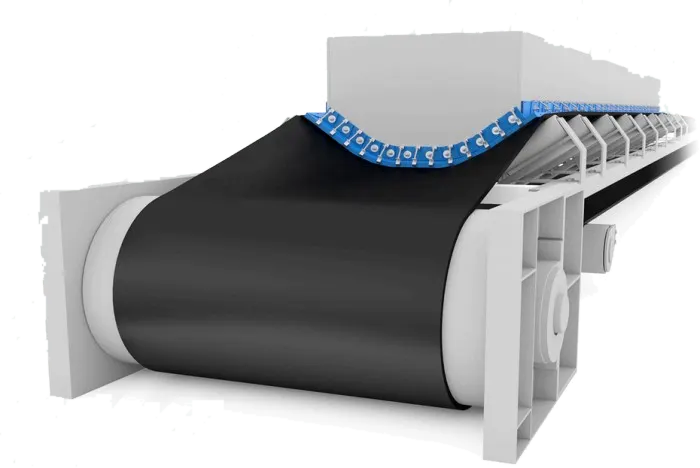

Conveyor belt systems are a fundamental component of industrial production processes. For these systems to run efficiently, the right equipment is required. Belt scrapers are among the most important items of this equipment. In this article, we look at the function of scrapers and why the right selection matters for businesses.
Function of belt scrapers
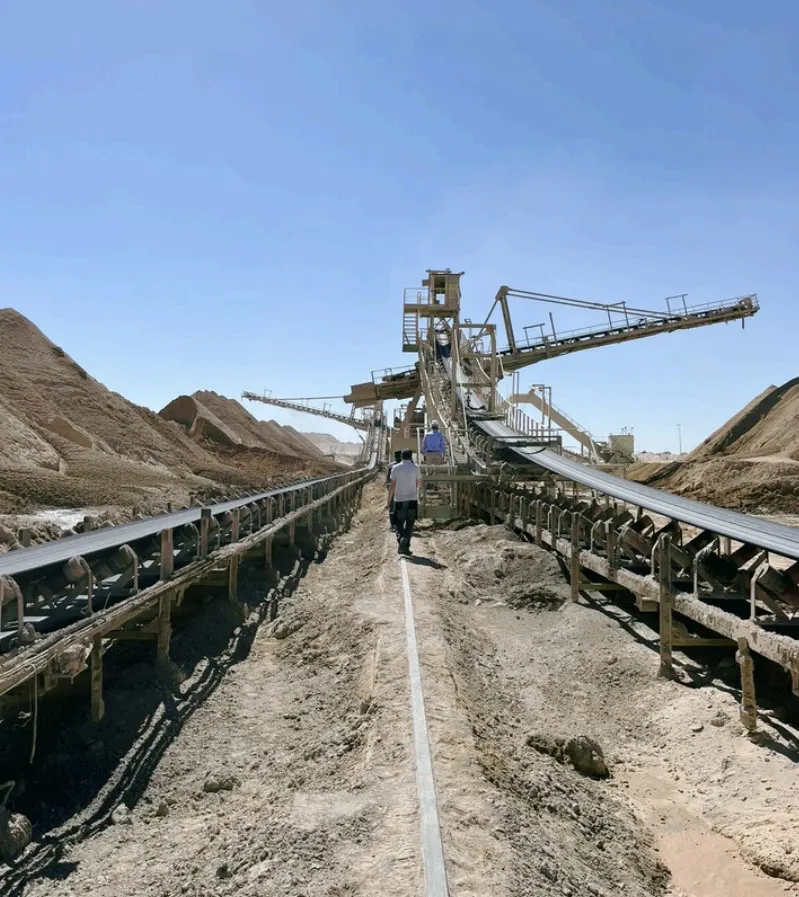
Depending on the properties of the conveyed material, conveyor belts can leave residue on the surface. This residue builds up over time, lowers the efficiency of the system, shortens belt life and increases maintenance costs.
Belt scrapers clean the material that builds up on the surface and keep the system running properly. They also reduce material losses and environmental pollution.
Importance of the right scraper selection
The needs of each conveyor system are different. They vary according to the type of material conveyed, the conditions of the working environment and the overall structure of the system. A scraper is selected with these factors in mind.
The wrong scraper selection can cause excessive belt wear, loss of efficiency and unnecessary maintenance expense.
Scraper types and applications
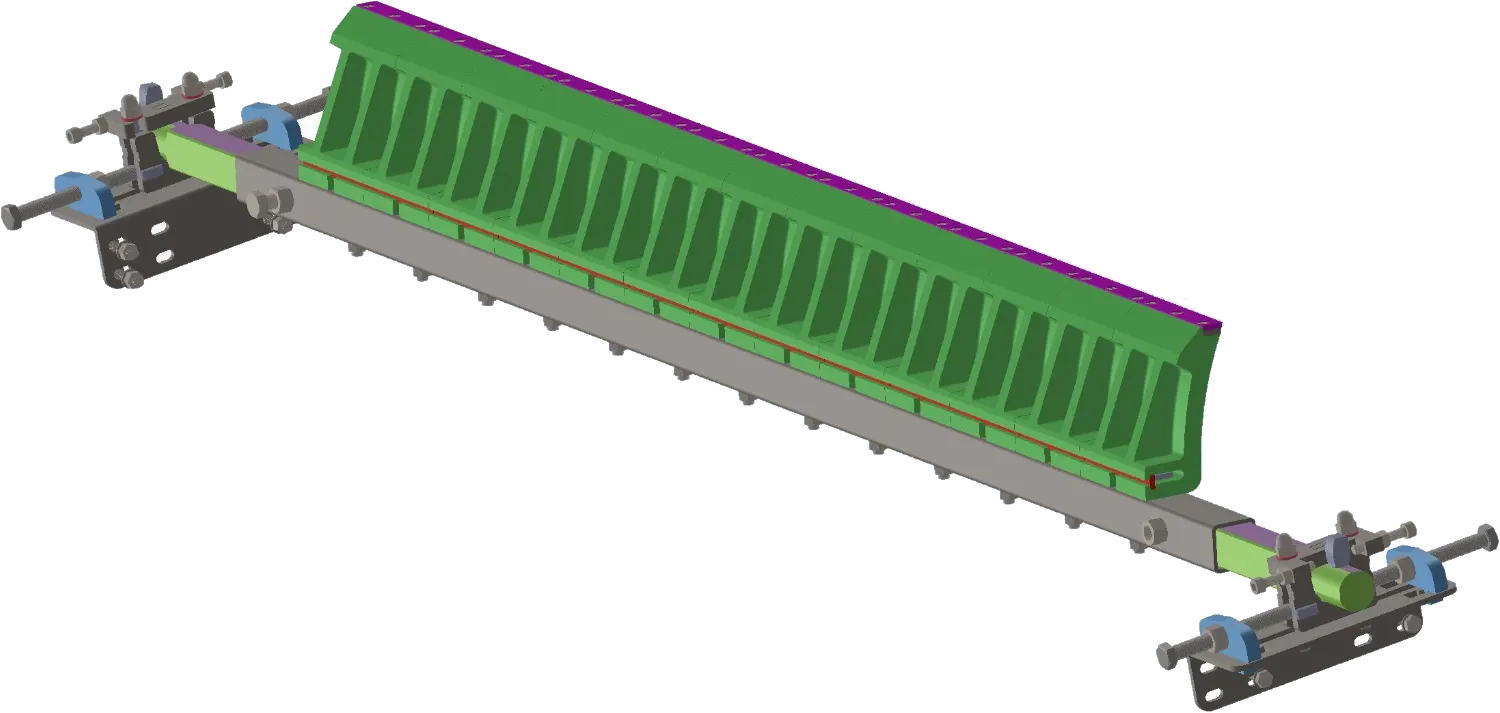
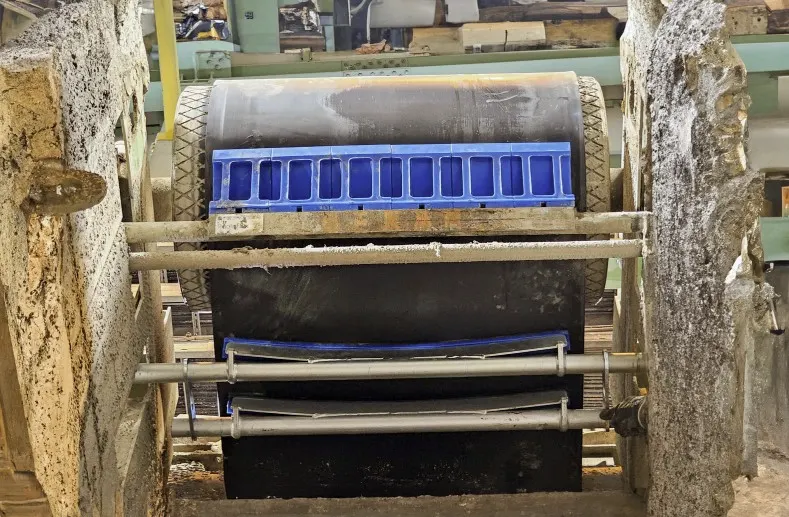
- Primary scrapers: The primary scraper carries out the first cleaning at the head pulley, where the belt discharges its material, and removes the large pieces stuck to the belt. These scrapers are usually made from rubber or polyurethane; because they remove large pieces at the first stage, less material is carried onto the return strand.
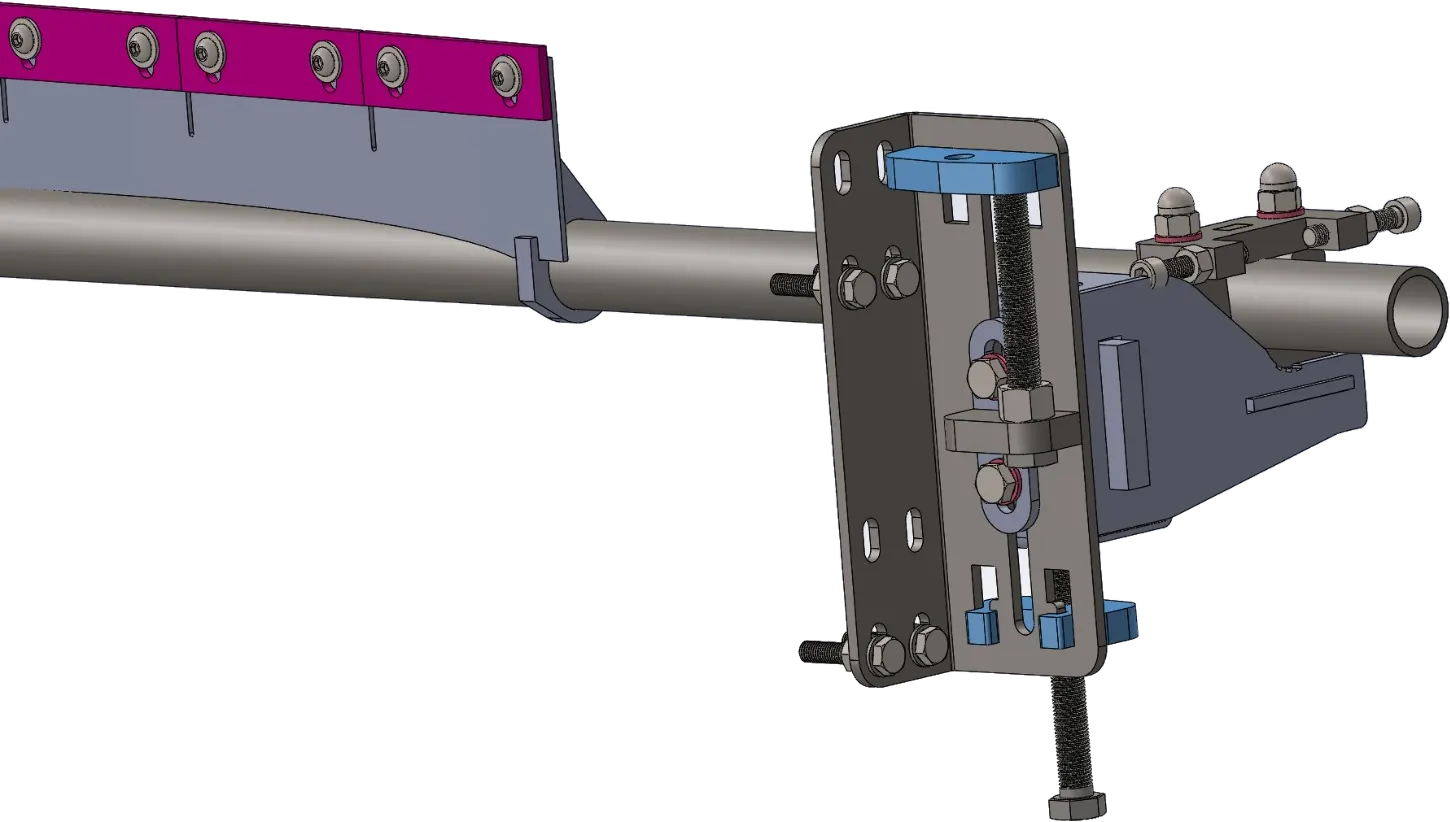
- Secondary scrapers: The secondary scraper works after the primary scraper and removes from the belt surface the fine particles the primary cannot clean. These scrapers are usually made from metal alloys; they reduce the wear caused by fine material and keep the belt surface clean for longer.
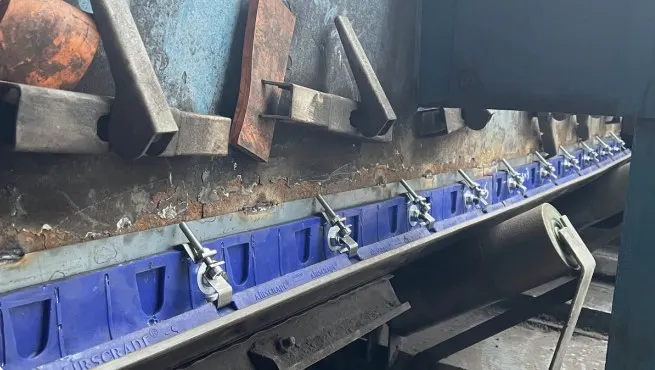
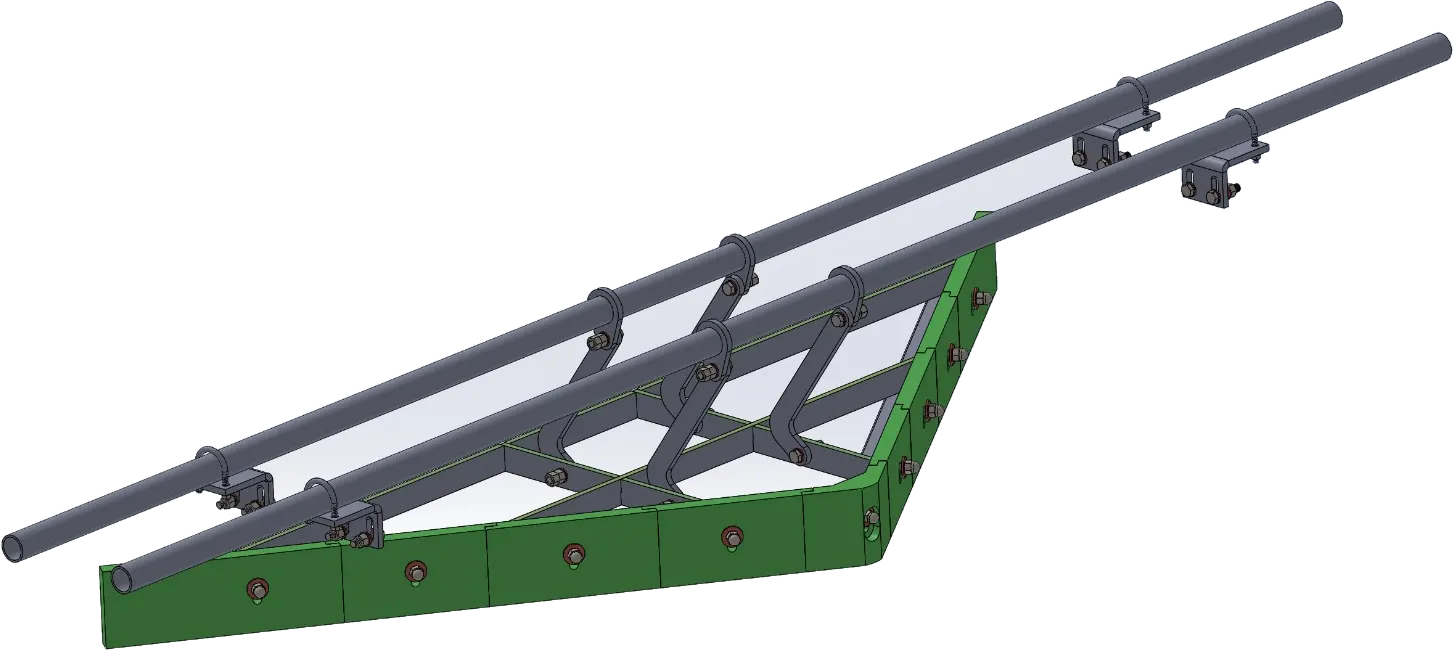
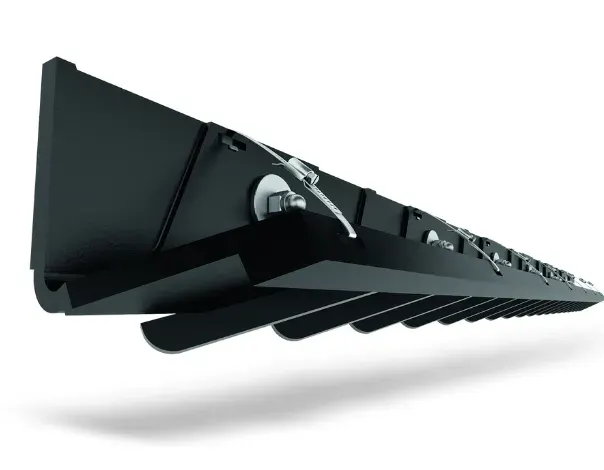
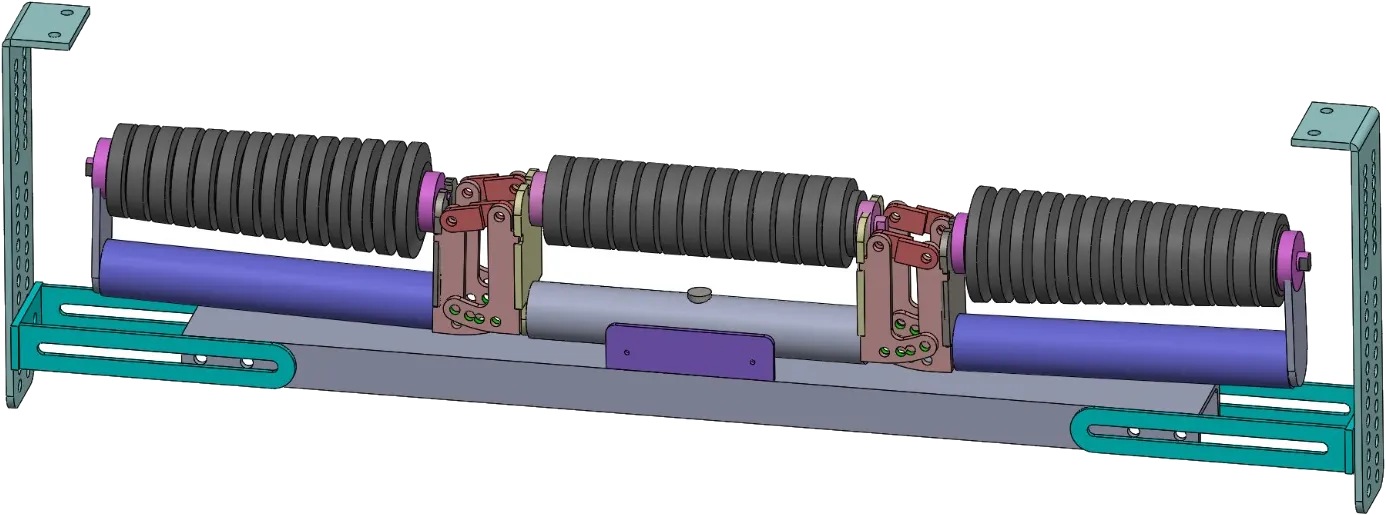
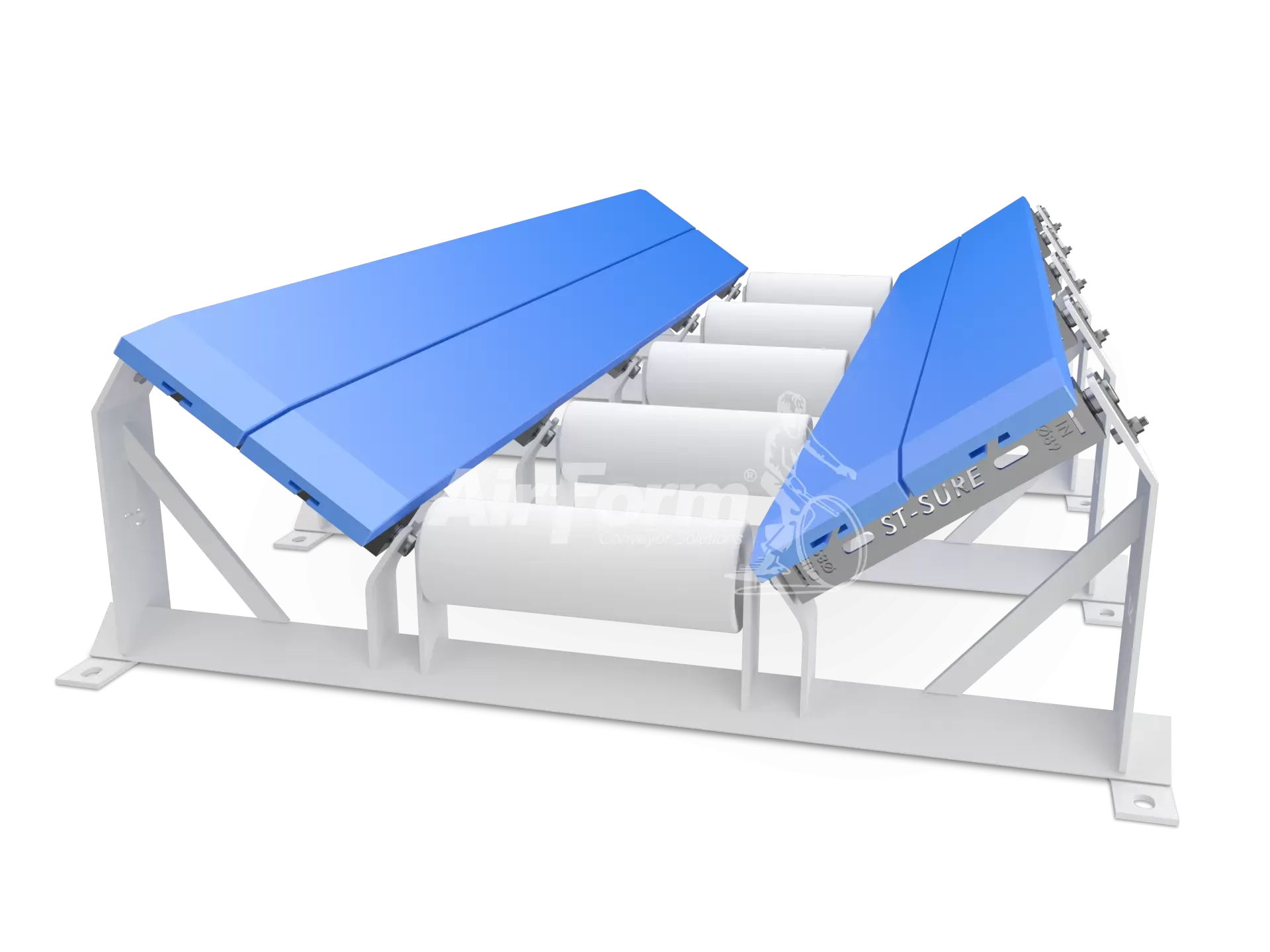
- V-plough scrapers: The V-plough scraper directs material that falls onto the inner face of the belt on the return strand out over the belt edge, keeping it from getting into the tail pulley and the idlers. This prevents material from being trapped between the belt and the pulley and the damage that causes.
Criteria for selecting a belt scraper
- Material type: The kind of material conveyed is the most important factor in the selection. Durable, long-lasting scrapers are preferred for abrasive materials.
- Working environment: The temperature, humidity and presence of chemicals in the environment determine the choice of scraper material.
- Belt speed and width: The scraper must be compatible with the belt speed and width. A scraper of the wrong size can lower cleaning performance and cause belt wear.
RacloFlex belt scraper series
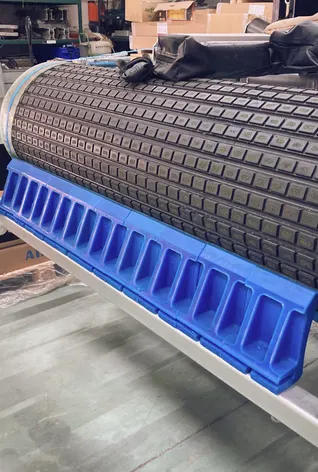
The RacloFlex series consists of primary, secondary and V-plough scraper models suited to different industrial applications. In cleaning the belt, these scrapers aim to lower maintenance costs and extend belt life.
High-temperature-resistant models such as the RacloFlex SW Metal scraper are suitable for heavy industry applications. These models are designed for harsh operating conditions.