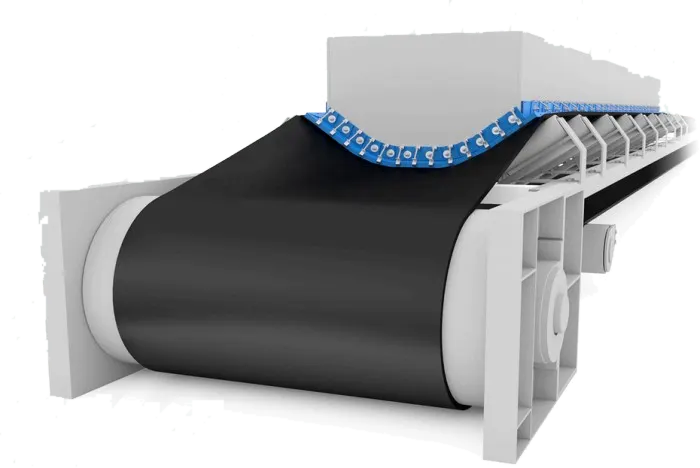
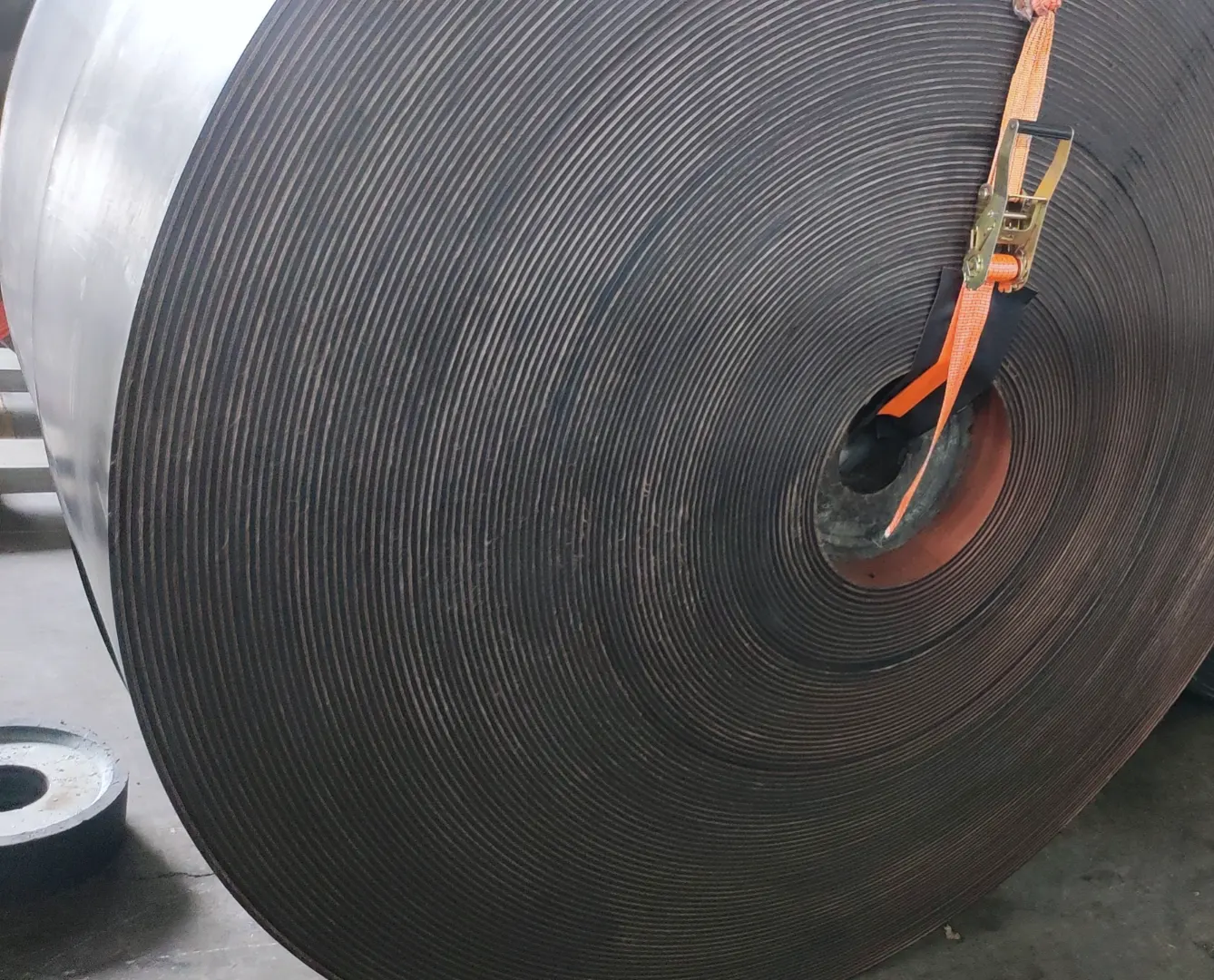
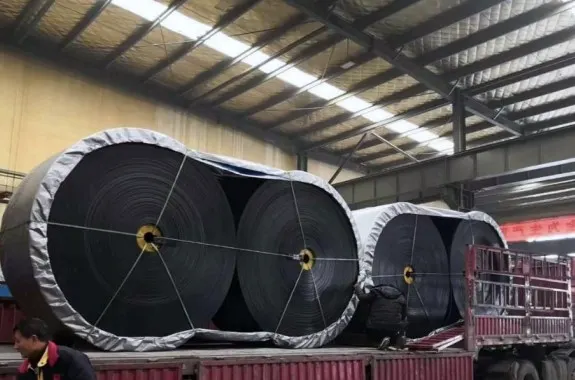
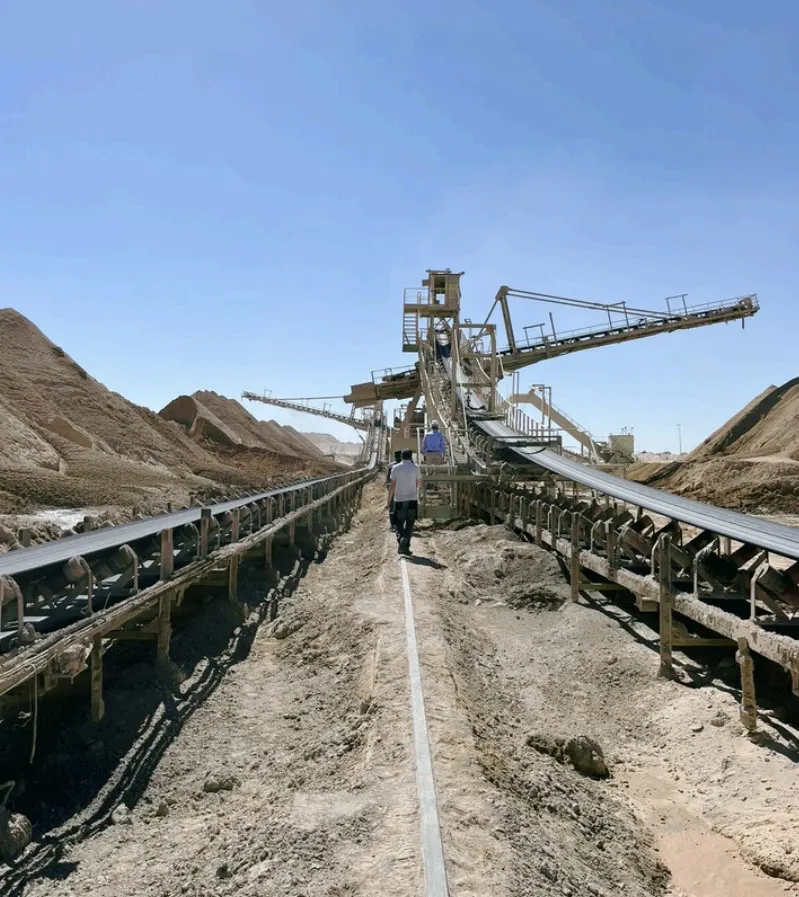

Conveyor belt systems are a fundamental part of industrial processes. Belts can wear or become damaged over time. In such cases, belt splicing is one of the effective ways to extend belt life. There are different splicing methods, each with its own advantages. In this article, we look at these methods.
Belt splicing by hot vulcanising
In hot vulcanising, the two ends of the belt are joined at high temperature using special equipment. This method gives the belt a durability close to that of its original structure and is suitable for heavy industry applications.
- Durability: Provides a durable joint similar to the original structure of the belt.
- Long service life: Longer lasting than other methods.
- Abrasion resistance: Offers high abrasion resistance in harsh environments.
Invisible Flexible Splice (IFS®)
IFS® is a flexible splicing method developed particularly for light PVC and PU belts. The splice is not noticeable. Its metal-free structure allows it to be used in the food sector, and it allows replacement without removing the belt. It stands out for its easy installation and hygiene properties.
Mini Record® belt splices
Mini Record® is a stapled metal splicing method. It provides a durable, strong joint in light and heavy industry applications. Its quick installation reduces production stoppages and helps the belt withstand demanding conditions.
Self-Lock® belt splices
Self-Lock® is a self-locking splicing method used on light industry conveyor belts. Its claws allow it to conform to the belt and reduce the risk of contamination. With its easy installation and durable structure, it provides a long-lasting, hygienic splice.
Super-Screw® belt splices
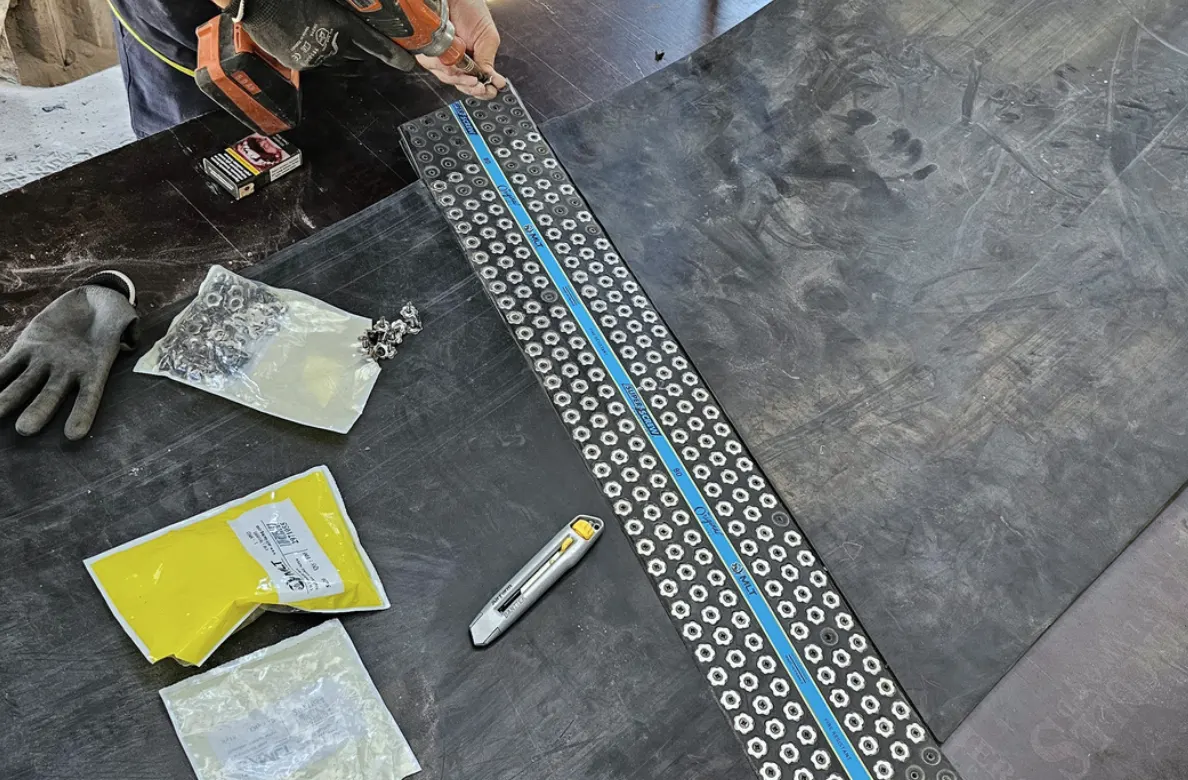
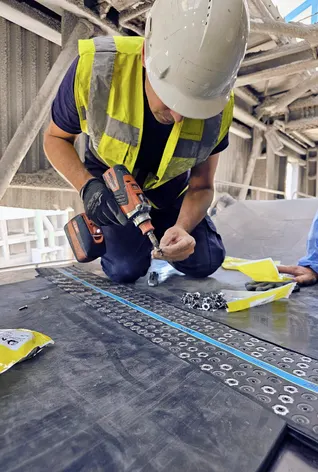
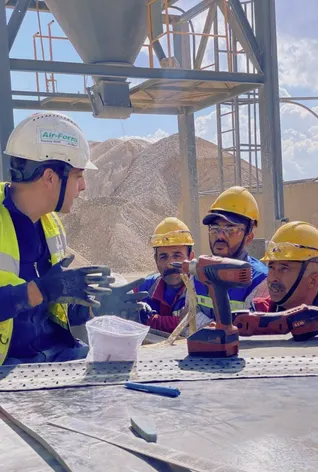
Super-Screw® is a method whose screw-fastened, flexible structure completes the belt splicing process quickly, without the need for hot vulcanising. In emergencies where hot vulcanising cannot be applied, it allows a quick and effective repair at the points where the belt is damaged.
The splice can be made without dismantling the conveyor. The method can be used in both light and heavy industry applications.
Advantages of Super-Screw®
- Quick and easy installation: Allows splicing without dismantling the conveyor belt and reduces production interruptions.
- Flexible fit: Adapts to different conveyor belt structures and widths, so it can be used in many sectors.
- Durability: Provides a long-lasting splice, including on belts under heavy load.
- Emergency use: Can be applied in field conditions and offers a quick solution in emergencies.
- No heat needed: because the splice needs no heat, no vulcanising equipment is set up and there is no waiting for heating and cooling.